Buy Aesculus x carnea ''Briotii' Red Flowering Horse Chestnut Mr Maple │ Buy Japanese Maple Trees
Buy Aesculus x carnea ''Briotii' Red Flowering Horse Chestnut Mr Maple │ Buy Japanese Maple Trees

Sun - Part Shade. 'Briotii' is a shorter more rounded form of a red flowering horse chestnut. 'Briotii' may reach 10 ft in height and width in 10 years. The long scarlet red pinnacles of 'Briotii' are quite attractive. 'Briotii' was introduced in 1858 and named after Pierre Louis Briot who ran the nursery at Trianon-Versailles near Paris, France.
Aesculus carnea 'Briotii'
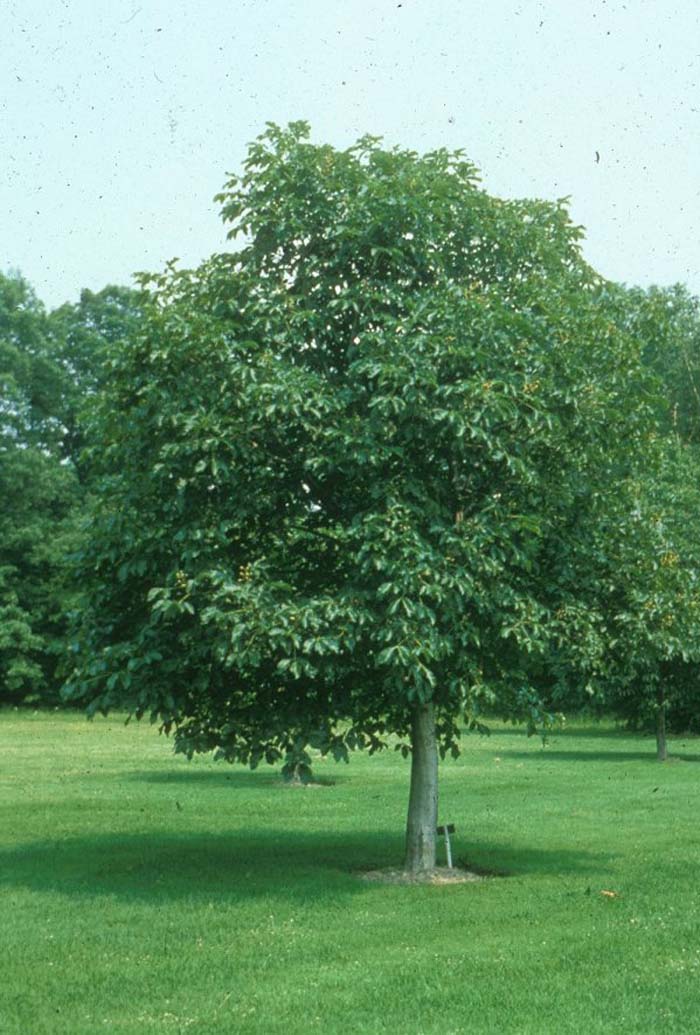
Noted for its outstanding floral display, Aesculus x carnea 'Briotii' (Red Horsechestnut) is a medium-sized deciduous tree of rounded to broad-rounded habit with a dense canopy of lustrous dark green leaves adorned with 5-7 leaflets. In late spring, erect cone-shaped panicles, 10 in. long (25 cm), of dark red flowers cover the tree for a spectacular display.
Aesculus x carnea Briotii Red Horse Chestnut or Conker Tree

Aesculus x carnea, or Red Horsechestnut, is a deciduous shade tree in the Sapindaceae family (and was formerly listed in the Hippocastanaceae family).. The flowers of the Red Horse Chestnut (pink or red depending on cultivar) are the main attraction of this medium sized tree. After the flowers bloom, they are followed by the seed pods, which.
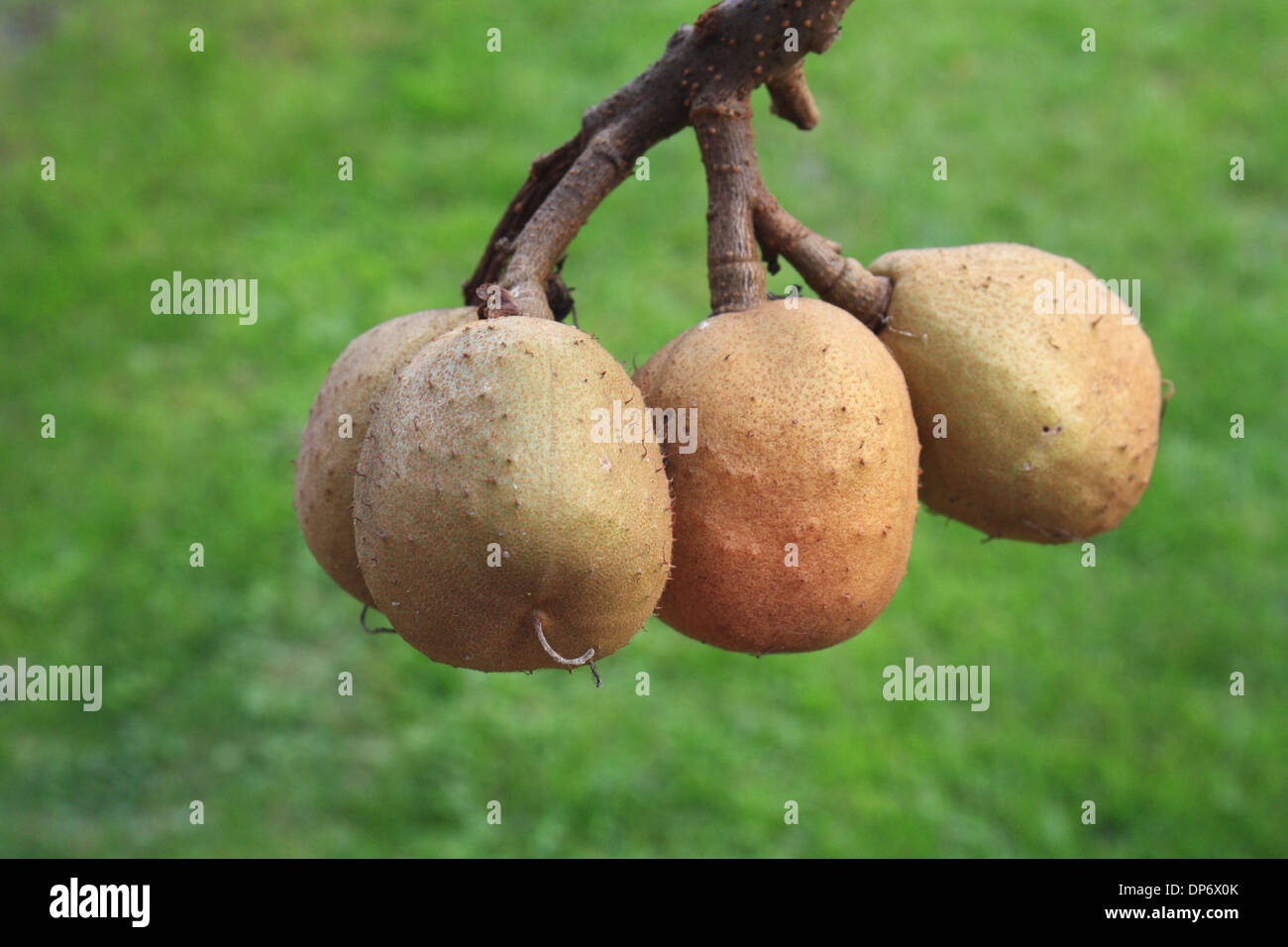
Red horsechestnut Aesculus x carnea, fruits

Red Horse chestnut (Aesculus carnea 'Briotti') Posted on April 11, 2012 by Lucile Whitman. Red Horse chestnut (Aesculus carnea 'Briotti') This red horsechestnut puts on a stunning show in the spring and only gets to be about half the size of its white relative, and it drops almost no fruit. zone 3. Size: 1 gallon. Price: $25.00. Size: Field.
Brioti Red Horse Chestnut (Aesculus × carnea 'Briotii') • Green Fairytale • Nursery Farm
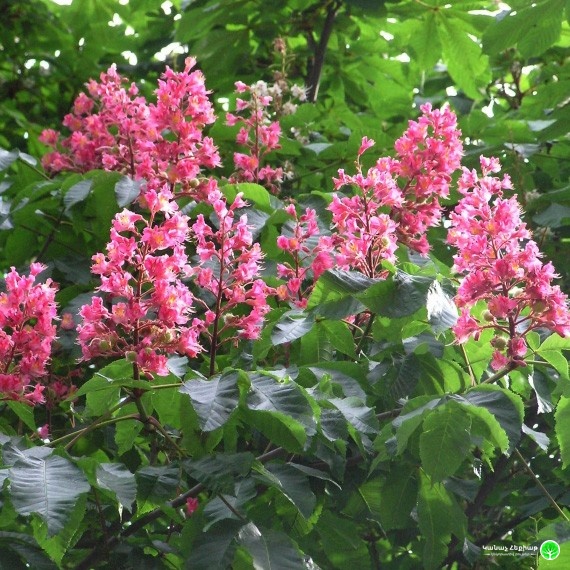
Aesculus x carnea 'Briotii' Briotti Red Horse Chestnut. Flower and Hummingbird B&B field This is a broadly rounded, dense shade tree. Bright red flowers appear in upright terminal panicles (to 8-10" long) in mid-spring. The leaves are dark green and more resistant to sun scorch than A. hippocastanum. The fall color is unremarkable.
Aesculus × carnea 'Briotii' ruby red horsechestnut The Dawes Arboretum
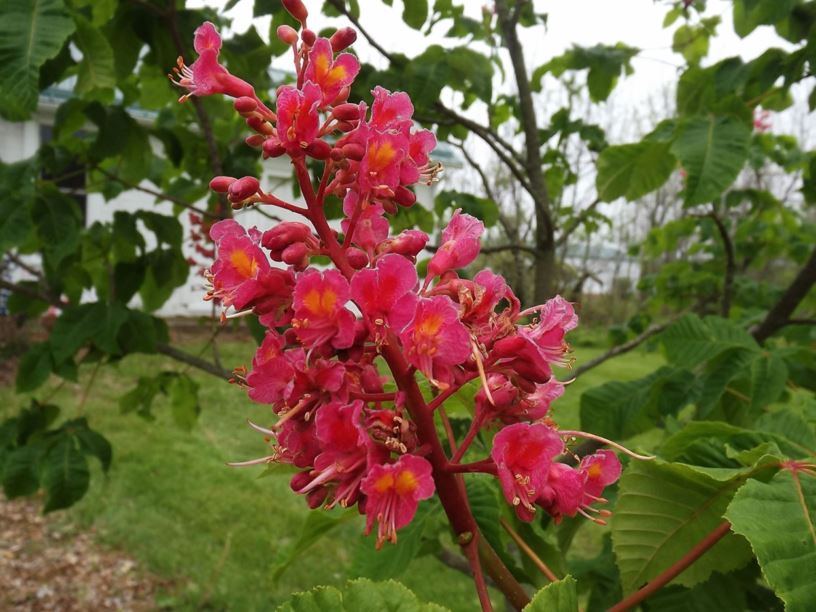
Red Horse Chestnut (Aesculus carnea) The red horse chestnut tree is a stunning shade tree known for its clusters of bright rose-red and pink flowers. Blooming in late spring, the vibrant pink flowers grow in upright conical clusters, giving them a striking appearance against the tree's dark green foliage. The deciduous tree has no significant.
Aesculus x carnea (Red Horsechestnut, Ruby Red Horse Chestnut) North Carolina Extension

Aesculus. Species: A. × carnea. Binomial name. Aesculus × carnea. Zeyh. Aesculus × carnea, or red horse-chestnut, [1] is a medium-sized tree, an artificial hybrid between A. pavia (red buckeye) and A. hippocastanum (horse-chestnut). Its origin uncertain, probably appearing in Germany before 1820. It is a popular tree in large gardens and parks.
Aesculus x carnea Briotii Horsechestnut Red, Briotii, 5 Behmerwald Nursery
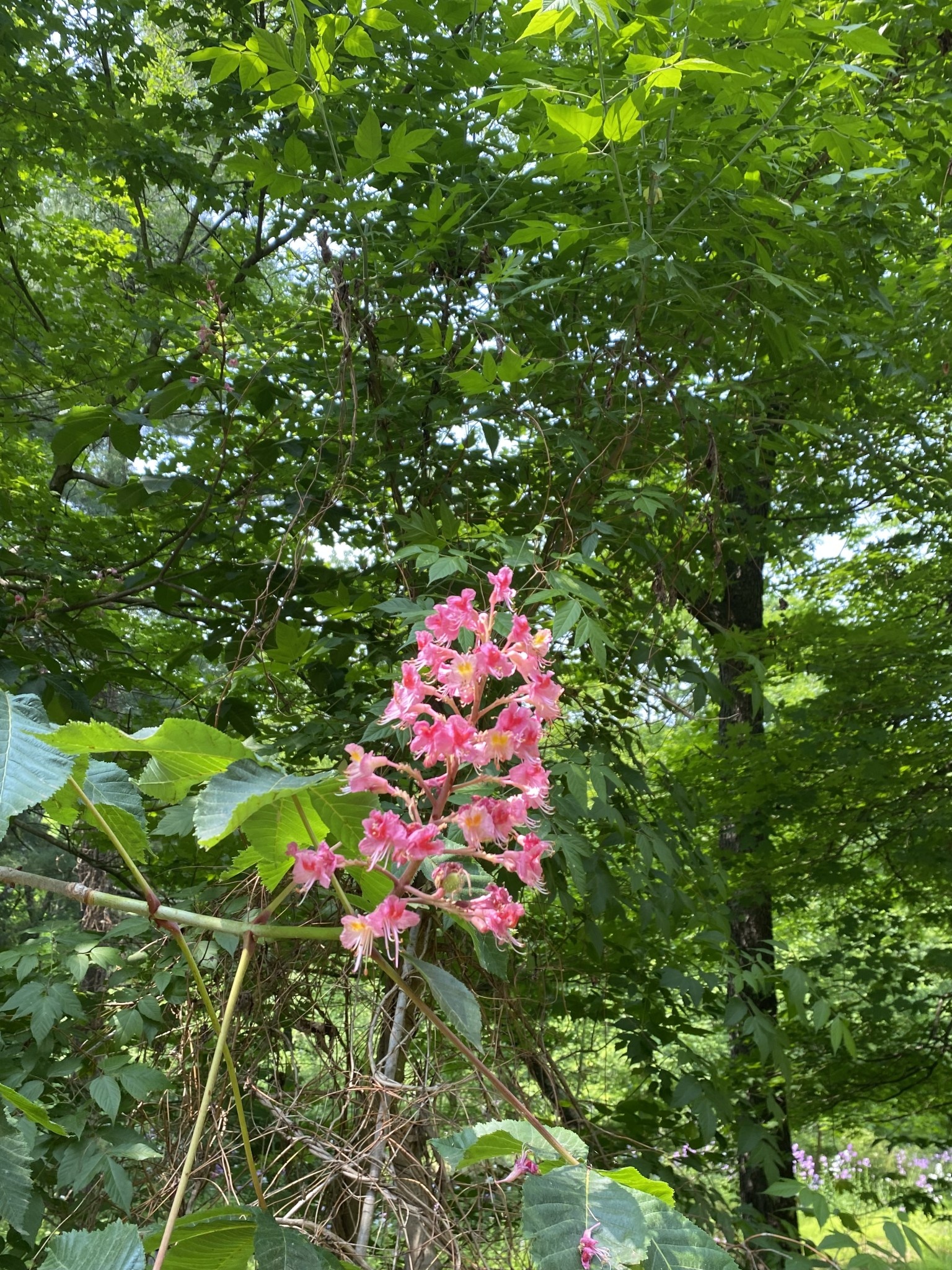
Red horse-chestnut, a cross between horse-chestnut and red buckeye, is an excellent shade tree for large areas. Its distinctive, rose-red, cone-shaped flower clusters bloom in May among the lustrous, dark green leaves.. Ruby horse-chestnut (Aesculus x carnea 'Briotii'): At 25 to 30 feet high with the same spread, this cultivar has dark.
Aesculus x carnea 'Briotii' (Red Horsechestnut)
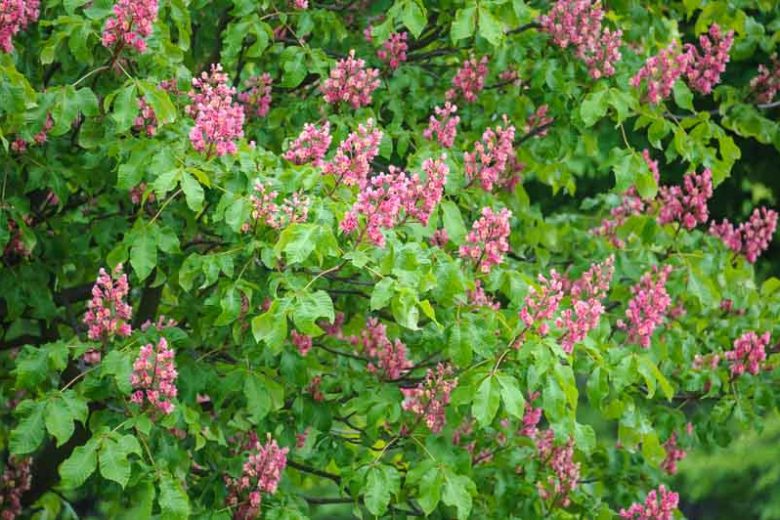
Aesculus × carnea 'Briotii' Ruby Red Horsechestnut. Family: Hippocastanaceae (Horse-Chestnut Family) 11; Genus: Aesculus (Horsechestnut Buckeye) 11; Plant Type: Tree 579; Hardiness: USDA Zone 5 236; Deciduous / Evergreen: Deciduous 807; Flowers: Red (Light to deep red panicles) Foliage:
Aesculus x carnea 'Briotii' Red Horsechestnut WBLA_Corky Flickr
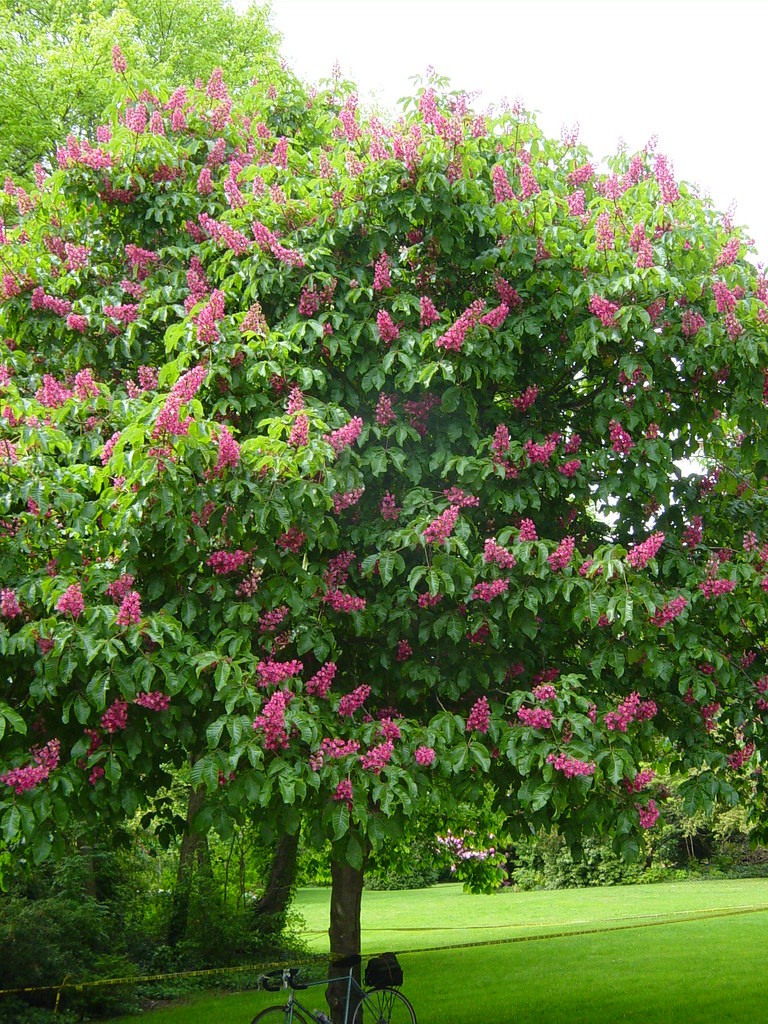
Buy Briotii Red Horse Chestnut online. Briotii Red Horse Chestnut is a hybrid of A. hippocastanum and A. pavia with intermediate characteristics of each species. It is best used in a broad, open landscape so it doesn't become crowded, which in turn makes it a fantastic specimen tree. Flowers are an attractive pink, splashed with yellow inside.
Trees of Santa Cruz County Aesculus x carnea Red Horse Chestnut

Attorneys for Michael Gill, one of the leading Thoroughbred owners in the country, filed a federal lawsuit in Delaware May 1. They claim Delaware Park officials unlawfully conspired to prevent.
Red Horse Chestnut (Aesculus x carnea) closeup of fruit, in garden Stock Photo 65305651 Alamy
Aesculus × carnea 'Briotii'. red horse chestnut 'Briotii' A medium-sized deciduous tree with a compact rounded crown. Leaves with 5-7 dark green leaflets. Flowers bright rosy-pink, in erect panicles to 20cm in length.
Aesculus x carnea (Red Horsechestnut, Ruby Red Horse Chestnut) North Carolina Extension

Briotii Red Horse Chestnut (Aesculus x carnea) - 3 Gallon Pot; Adored by gardeners and hummingbirds for it spectacular floral display in late spring, the Briotii Red Horse Chestnut dazzles with abundant cone-shaped clusters of tricolor flowers in shades of red and pink with yellow throats. It is a medium sized tree to around 35 feet in height.
Aesculus ×carnea 'Briotii' Aesculus ×carnea 'Briotii' Van den Berk Viviros
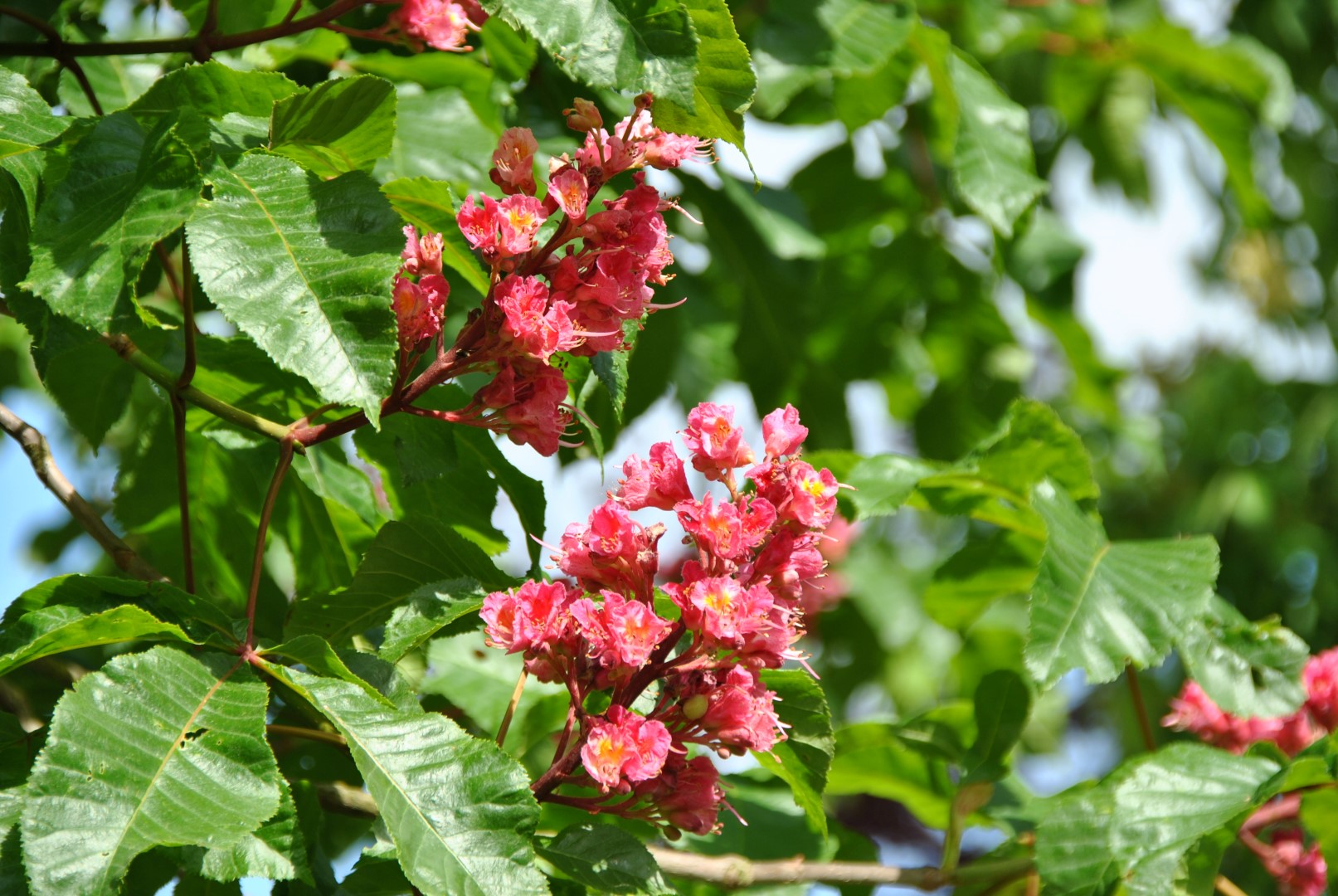
Aesculus × carnea, commonly called red horse chestnut, is the result of a cross between A. hippocastanum and A. pavia that was discovered in Europe in 1812. It is a small, oval to rounded, deciduous tree that grows 30-40' tall, and is perhaps best noted for its attractive red flowers. It features dark green palmate compound leaves with 5.
Aesculus x carnea Briotii Chestnut Mail Order Trees

Briotii Red Horsechestnut. Aesculus x carnea 'Briotii' Planted 2008. This tree is noted for its stunning, red flowers that bloom in the spring. It thrives in moist and fertile soils with full sun to part shade conditions. Height Width Zone Growth Rate Water Use; 25-30 ft. 30-35 ft. 4-7: Slow: Moderate:
Photo red horsechestnut Briotii fruits

A line of Aesculus × carnea 'Briotii' street trees in Lower Kingswood Surrey England May 2020. This one 11.8 m high and 1.65 m girth. Image Ron Kemeny.. three-fourths common horse-chestnut and one part the red buckeye (A. pavia). It shows the characters of both its parents in the leaf; the leaflets being stalkless,.